Choosing a Travel-Ready Laptop Backpack: A Closer Look at the SWISSGEAR 1900 ScanSmart Series

Traveling with a laptop, tablet, and everyday essentials requires more than just a bag with a few compartments. Whether you’re heading through airport security, commuting to an office, or packing for a multi-day trip, the right backpack can make the entire experience smoother. This is where thoughtfully engineered options like the SWISSGEAR 1900 ScanSmart Laptop Backpack come into the conversation. Designed with organization, durability, and travel convenience in mind, this backpack has become a familiar name among people who need a reliable way to carry tech gear and daily items without added stress.
This article explores what the SWISSGEAR 1900 ScanSmart Backpack offers, how it can be used in different situations, who might find it useful, and what factors are worth thinking about before making a purchase decision. The goal is to give you a clear, balanced, and informative overview—not a sales pitch—so you can decide whether this type of backpack fits your lifestyle and travel habits.
Introduction
Backpacks designed for laptops and travel have evolved significantly over the past decade. What used to be simple padded sleeves inside a canvas bag has transformed into multi-compartment systems built around real-world needs: airport security screening, device protection, organization for cables and accessories, and comfort during long carries. The SWISSGEAR 1900 ScanSmart Backpack fits into this modern category of travel-oriented tech backpacks.
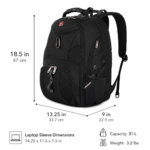
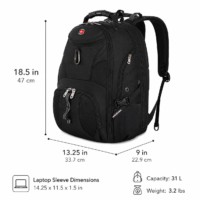
Manufactured under the SWISSGEAR brand—a name often associated with travel gear and luggage-style functionality—the 1900 ScanSmart model is built around a few core ideas: making laptop storage more accessible, simplifying the airport security process, and offering enough interior space for a variety of daily or travel items. With a 31-liter capacity and dimensions suited for 18.5-inch overall size, it falls into the category of larger daily-use backpacks rather than minimalist carry options.
Below, we break down its key features, practical uses, and considerations to help you form a clearer picture of what this backpack offers.
Key Features of the SWISSGEAR 1900 ScanSmart Backpack
TSA-Friendly Lay-Flat Design
One of the most talked-about aspects of the ScanSmart series is its lay-flat opening design. Instead of requiring you to remove your laptop from the bag before placing it in a security bin, this design allows the backpack to open flat, letting the laptop compartment lie separately for X-ray scanning. This style of design is intended to align with checkpoint procedures at many airports, potentially streamlining the screening process. It’s worth noting that specific security protocols can vary by airport and country, so travelers should still follow posted guidelines at each checkpoint.
Laptop and Tablet Storage
The backpack is designed to accommodate most laptops up to 17 inches, along with a separate padded pocket for tablets or similar-sized devices. Having distinct compartments for a laptop and a tablet can help reduce the risk of scratches or pressure damage that might occur when devices are stored together in a single sleeve.
RFID-Protected Pocket
Modern travel backpacks increasingly include RFID-blocking pockets, and the SWISSGEAR 1900 is no exception. This type of pocket is designed to help shield cards with embedded chips—such as some credit cards or passports—from unauthorized scanning attempts. While RFID protection is a widely offered feature in travel gear, its necessity depends on individual concerns about digital security while traveling.
31-Liter Capacity
With a 31-liter interior volume, this backpack falls on the larger end of the daily-carry spectrum. This capacity is generally suitable for people who need to bring more than just a laptop—such as a change of clothes, a water bottle, notebooks, or travel accessories—without stepping up to a full duffel bag or suitcase.
Multiple Organizational Compartments
Beyond the main laptop and tablet sections, the backpack typically includes various pockets and compartments for smaller items like pens, chargers, cables, and personal accessories. This organizational structure can be especially useful for people who like to keep their belongings sorted rather than tossed into one large compartment.
Ergonomic Carrying System
Backpacks in this category often include padded shoulder straps, a padded back panel, and sometimes a top carry handle for short lifts or overhead bin placement. These design elements are meant to improve comfort during extended wear, such as walking through an airport terminal or commuting on foot.
How It Can Be Used
The versatility of a 31-liter backpack with distinct compartments allows it to serve multiple purposes. Here are some of the most common ways a bag like this tends to be used:
Air Travel
Given its TSA-friendly design, this backpack is often chosen by people who fly frequently and want to simplify the security screening process. The lay-flat opening can make it easier to present a laptop for scanning without fully unpacking the bag.
Daily Commuting
For students or professionals who carry a laptop to school or work each day, the structured compartments can help keep items organized—reducing the time spent searching for chargers, notebooks, or small essentials.
Business Trips
The combination of laptop and tablet storage, along with additional compartments for documents or accessories, makes this type of backpack a practical option for short business trips where checked luggage isn’t necessary.
Weekend or Short Getaways
Because of its 31-liter capacity, the backpack can often serve as a carry-on-style bag for one- or two-night trips, especially when paired with efficient packing.
Everyday Errands
Beyond travel-specific use, some people simply prefer a well-organized backpack for daily errands, gym items, or carrying a laptop between locations.
Who It May Be Suitable For
While backpacks like this one are broadly designed for general use, certain groups may find the specific feature set more relevant to their needs:
- Frequent Flyers: Those who travel by plane regularly may appreciate the TSA-friendly opening and the organizational layout designed with airport routines in mind.
- Students: The multiple compartments can help keep textbooks, chargers, and stationery organized throughout a busy school day.
- Remote Workers and Digital Nomads: People who work from different locations may value the laptop and tablet protection combined with extra space for accessories.
- Business Professionals: Those attending meetings or conferences might appreciate a structured, professional-looking bag that still offers tech protection.
- Anyone Seeking Organized Storage: Even without frequent travel, people who prefer clearly defined compartments over a single large storage area may find this design appealing.
It’s worth mentioning that this backpack may not suit everyone. Minimalists who prefer smaller, lightweight bags might find the 31-liter size larger than necessary for daily use.
Important Things to Consider
Before choosing any laptop backpack, it helps to think through a few key factors:
Size and Portability
At 18.5 inches and 31 liters, this is a mid-to-large backpack. While that offers more storage, it may also mean added bulk for those who prefer slim, minimalist designs. Consider whether the size aligns with your typical carrying needs.
Weight When Empty vs. Loaded
Backpacks with multiple padded compartments can weigh more than simple sleeve-style bags even before you add your belongings. If you’re sensitive to overall carry weight, this is worth factoring in.
Airport Policy Variations
While the design is created with TSA guidelines in mind, not all airports or countries follow identical screening procedures. It’s a good idea to check current guidelines for your specific travel route.
Compartment Layout Preferences
Some travelers prefer fewer, larger compartments, while others prefer many small organizational pockets. Reviewing the internal layout can help determine whether it matches your personal packing style.
Material and Build Considerations
Durability often depends on fabric type, stitching quality, and zipper construction. Prospective buyers may want to review detailed product images and specifications to understand build quality before purchasing.
RFID Protection Relevance
While RFID-blocking pockets are a helpful feature for some travelers, it’s not a universal necessity. Consider whether this aligns with your personal risk concerns regarding electronic pickpocketing.
Comparing General Backpack Categories
To provide broader context, it can help to understand how travel laptop backpacks like this one compare to other general categories of bags—without focusing on specific competing brands.
Minimalist Laptop Sleeves/Backpacks
These are typically smaller, lighter, and designed for people who carry only a laptop and a few small items. They lack the expansive organizational features and larger capacity found in bags like the SWISSGEAR 1900.
Standard Everyday Backpacks
General-purpose backpacks may offer decent storage but often lack specialized laptop compartments, TSA-friendly designs, or RFID protection. They tend to be more casual and less travel-specific.
Large Travel Backpacks or Daypacks
These bags usually prioritize capacity for multi-day trips but may not include the same level of tech-specific organization, such as separate laptop and tablet sleeves.
Rolling Laptop Bags
For those who prefer not to carry weight on their shoulders, rolling laptop bags offer an alternative. However, they can be less convenient for uneven terrain, stairs, or crowded transportation.
Understanding these general categories can help clarify why a backpack like the SWISSGEAR 1900 occupies a specific niche: it blends travel-friendly features with substantial everyday capacity and tech protection, positioning it between minimalist bags and larger multi-day backpacks.
Frequently Asked Questions
Does this backpack fit all 17-inch laptops?
It’s designed to fit most 17-inch laptops, though exact compatibility can vary slightly depending on the laptop’s specific dimensions and shape. Checking your laptop’s measurements against the compartment size is a good practice.
Is the RFID-blocking pocket effective for all cards?
RFID-blocking technology is generally designed to work with commonly used RFID-embedded cards, though effectiveness can vary depending on the type of chip and the specific pocket material.
Can this backpack be used as a carry-on for flights?
Many people use similarly sized backpacks as personal item or carry-on luggage, but airline-specific size restrictions vary. It’s recommended to check your airline’s carry-on dimensions before your trip.
Is the lay-flat design guaranteed to speed up airport security?
While the design is intended to align with common TSA procedures, actual screening experiences can vary by airport, staffing, and current security protocols.
Is this backpack suitable for non-travel daily use?
Yes, many users choose this type of backpack for regular commuting, work, or school, not just air travel.
How much can the 31-liter capacity typically hold?
A 31-liter capacity generally accommodates a laptop, tablet, some clothing items, and daily essentials, though actual capacity experience can vary based on packing style and item sizes.
Conclusion
The SWISSGEAR 1900 ScanSmart Laptop Backpack represents a well-rounded option within the travel-focused backpack category, combining a TSA-friendly lay-flat design, dedicated laptop and tablet storage, RFID-blocking capability, and a substantial 31-liter capacity. Its multi-compartment structure and ergonomic carrying features are aimed at simplifying both air travel and everyday use for students, professionals, and frequent flyers alike.
As with any gear purchase, the right choice ultimately depends on your specific needs—whether that’s frequent air travel, daily commuting, or simply wanting a more organized way to carry your devices and essentials. Reviewing the detailed specifications, dimensions, and compartment layout can help you determine whether this backpack aligns with your lifestyle.