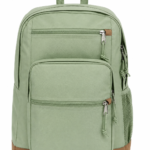
Choosing a Practical 17.3-Inch Laptop Backpack for School: A Closer Look at the Paude School Backpack for Teen Girls

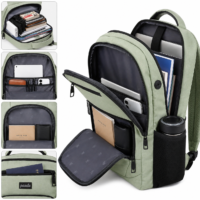
Finding the right backpack for school can feel like a surprisingly complicated decision. It’s not just about picking something that looks nice on a store shelf or in a product photo online — it’s about finding a bag that can realistically carry the weight of daily school life, from textbooks and binders to a laptop, chargers, water bottles, and whatever else ends up stuffed into the front pocket by Friday afternoon. For teen girls in particular, the search often comes down to a balance between function and style, since a backpack has to work as hard as it looks good.
The Paude School Backpack, marketed as a 17.3-inch laptop backpack and bookbag rucksack for teen girls, is one option that shows up frequently in searches for school bags for teens. This article takes a closer look at what this type of backpack generally offers, how it might fit into a student’s daily routine, and what shoppers typically want to know before adding a bag like this to their cart. Rather than framing this as a sales pitch, the goal here is to walk through the practical considerations that matter when evaluating a backpack designed for school and everyday laptop use.
Understanding the Basics: What Is the Paude School Backpack?
At its core, the Paude School Backpack falls into a category of bags designed to serve multiple purposes at once. It’s built around the idea of accommodating a 17.3-inch laptop, which immediately signals that it’s meant for students who need to carry a computer to class, the library, or study sessions — not just books and notebooks. This size specification matters because laptop compartments that are too small can strain zippers or fail to protect larger devices, while compartments that are too large may allow a laptop to shift around during movement.
Beyond the laptop-carrying function, the bag is described as a bookbag and rucksack, terms that suggest a traditional backpack silhouette rather than a specialized bag like a messenger bag or a structured tote. This style tends to appeal to students who want something familiar and easy to wear over both shoulders, especially for walking between classes, taking public transportation, or riding a bike to school.
Key Features to Understand Before Choosing a School Backpack
When evaluating any school backpack, including this one, there are several categories of features worth understanding. These aren’t unique claims about this specific product so much as general characteristics that shoppers should look for and confirm against the product listing itself.
Laptop Compartment Design
A dedicated laptop compartment is one of the more important features in a backpack marketed for students who carry a computer. Ideally, this compartment is padded and positioned close to the back panel, which can help distribute weight more evenly and offer a layer of protection if the bag is set down or bumped. Because the product is labeled for 17.3-inch laptops, it’s worth double-checking the exact dimensions of your device against the listing, since laptop sizes can vary even within the same “17-inch” category once you account for bezels, hinges, and charging ports.
Multiple Storage Compartments
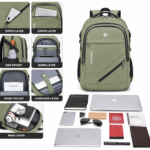
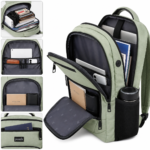
School bags for teens often need to do more than hold books. A layout with several distinct compartments — a main compartment for larger items, a front pocket for smaller accessories, and sometimes a specialized sleeve for tablets or notebooks — tends to make daily organization easier. Compartmentalization can also help reduce the time spent digging through a bag looking for a specific item, which matters when students are moving quickly between classes.
Material and Construction
Backpacks marketed for daily school use are generally made from polyester or a similar synthetic fabric, chosen for its balance of durability, water resistance, and relatively light weight. While synthetic fabrics won’t necessarily match the look of leather or canvas, they tend to hold up better against the wear and tear of being tossed on classroom floors, stuffed into lockers, or carried in less-than-ideal weather.
Shoulder Straps and Back Panel
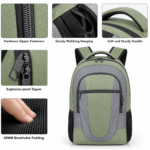
Ergonomics matter more than many shoppers initially consider, especially for a bag that might be carried for hours at a time and loaded with heavy textbooks. Padded, adjustable shoulder straps and a cushioned back panel can make a meaningful difference in comfort, particularly for younger users who may not yet have developed the postural habits to counteract an unevenly weighted bag. Breathable mesh paneling, when present, can also help reduce discomfort during warmer months or longer commutes.
External Design and Aesthetic
Because this bag is marketed specifically toward teen girls, style is understandably part of the appeal. Bags in this category often come in a range of colors, patterns, or minimalist designs meant to appeal to a younger demographic while still looking appropriate for a school or casual setting. It’s worth considering whether the aesthetic will still feel appropriate a year or two down the line, since backpacks are often used for multiple school years.
Additional Practical Features
Depending on the specific listing, features like a USB charging port pass-through, anti-theft pocket, or water-resistant coating may also be included. These extras can add convenience, but it’s worth verifying exactly how they function — for example, a USB port pass-through typically requires the user to carry their own external battery pack, since backpacks in this price range generally don’t include a built-in power source.
How the Paude School Backpack Can Be Used
One of the more useful ways to evaluate a backpack is to think through the range of situations where it might actually get used, beyond the obvious “carry it to school” function.
Daily Commuting to School
The most direct use case is the daily walk, bus ride, or car trip to and from school. A backpack designed with two padded straps distributes weight more evenly than single-strap alternatives, which can be a meaningful consideration for students walking longer distances or navigating stairs at a school with multiple floors.
Carrying a Laptop for Classes or Studying
As more schools integrate laptops or tablets into daily coursework, having a bag that can protect and organize a device has become less of a luxury and more of a practical necessity. Whether a student is taking notes digitally, working on assignments during a free period, or bringing a laptop home for homework, a padded compartment sized for a 17.3-inch device offers a layer of reassurance against everyday bumps.
Study Sessions and Library Trips
Beyond the classroom, a backpack like this one can also serve as the go-to bag for library visits, group study sessions, or after-school tutoring. The combination of a laptop sleeve and multiple pockets makes it easier to bring along a charger, notebook, pens, and a water bottle without everything getting tangled together.
Weekend and Casual Outings
While marketed primarily as a school bag, backpacks with this general structure often double as an everyday casual bag for weekend errands, short trips, or outings with friends. A neutral or versatile design can make the transition from “school bag” to “everyday bag” feel more seamless, which adds value for buyers who don’t want to purchase a separate bag for non-school use.
Travel and Overnight Trips
Some students and parents also use a structured backpack like this for short travel, such as an overnight school trip, a visit to a relative’s house, or a weekend getaway. While it’s not designed to replace a full-sized suitcase, the multiple compartments can help keep a change of clothes, toiletries, and electronics reasonably organized for a short trip.
Who This Type of Backpack May Be Suitable For
Because the Paude School Backpack is marketed specifically for teen girls, it’s designed with that audience’s general preferences and needs in mind — though it’s worth noting that “suitability” ultimately depends on the individual student’s habits, body size, and daily routine, not just their age group.
Middle school and high school students who need to carry a laptop or tablet alongside traditional school supplies may find the compartment layout useful, particularly if their school has adopted a one-to-one device program.
Students with a moderate daily course load — meaning a mix of textbooks, binders, and a laptop, rather than an extremely heavy load of hardcover textbooks every day — are likely to find the capacity manageable. Students carrying an unusually heavy academic load might want to pay closer attention to the bag’s weight capacity and strap support before relying on it as their sole daily bag.
Commuting students who walk, bike, or take public transit to school may appreciate the two-strap design and the added protection a padded laptop compartment offers compared to a single-strap or open-top bag.
Parents shopping for a back-to-school bag for a teen or pre-teen daughter may also be part of the target audience, particularly those looking for a bag that balances a youthful aesthetic with functional features like laptop protection and multiple pockets.
That said, this type of backpack may be less suitable for students who need highly specialized storage — for example, art students carrying large portfolios, or athletes needing to carry sports equipment alongside school supplies. In those cases, a more specialized bag might serve better as a primary carrier, with a backpack like this used as a secondary bag.
Important Things to Consider Before Buying
No backpack is a perfect fit for every student, and it’s worth thinking through a few practical considerations before making a decision.
Confirm Your Laptop’s Actual Dimensions
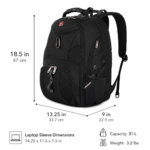
“17.3-inch laptop” refers to screen size, not the physical dimensions of the laptop itself. Some 17-inch laptops are notably larger or bulkier than others, especially gaming laptops with thicker chassis. Before assuming a laptop will fit, it’s worth measuring the device (including any protective case) and comparing it against the compartment dimensions listed in the product description.
Think About Total Carrying Capacity
A backpack’s rated capacity — often measured in liters — gives a general sense of how much it can hold, but real-world capacity depends heavily on how items are packed. Bulky textbooks, three-ring binders, and gym clothes can fill a bag’s main compartment more quickly than expected. If a student typically carries a heavy academic load, it may help to review other buyers’ notes on capacity in the product’s Q&A or review sections directly on Amazon.
Consider the Weight of the Bag Itself
An empty backpack’s weight matters more than people often expect, particularly for younger or smaller-framed students. A heavier bag, even before it’s packed, adds to the overall load carried throughout the day. Checking the product’s specified empty weight can help set realistic expectations.
Evaluate Strap and Back Panel Comfort
Because product photos and descriptions can’t fully convey how a bag feels once loaded, it’s worth reading through the material and padding details closely. Adjustable, padded straps and a ventilated back panel tend to make a meaningful difference over the course of a school day, especially for students who walk long distances or navigate multiple flights of stairs.
Review Care and Cleaning Instructions
School backpacks are subject to spills, dirt, and general wear. Understanding whether the material is spot-cleanable, machine washable, or requires more delicate care can help avoid disappointment down the line. This information is often included in the product description or care label details.
Check Return and Sizing Policies
As with most bags purchased online, there’s a natural limit to how much can be understood from photos and written descriptions alone. Reviewing Amazon’s return policy for the specific listing, along with any manufacturer warranty information provided by the seller, is a reasonable step before finalizing a purchase — particularly for a back-to-school item where timing matters.
Comparing General Categories of School Backpacks
Rather than comparing specific competing products, it can be more useful to understand how different broad categories of school backpacks tend to differ from one another. This kind of comparison can help clarify where a bag like the Paude School Backpack generally fits.
Traditional Two-Strap Backpacks vs. Single-Strap or Sling Bags
Two-strap backpacks, like this one, are generally favored for heavier daily loads because they distribute weight across both shoulders. Single-strap or sling-style bags tend to be lighter and more casual but often aren’t designed to carry heavier loads like laptops and multiple textbooks comfortably over a full school day.
Laptop-Specific Backpacks vs. General Bookbags
Bags built specifically with a padded laptop compartment differ from more generic bookbags mainly in the internal structure. A laptop-specific design typically includes a rigid or semi-rigid sleeve positioned to minimize movement and impact, while a general bookbag might only offer open storage without that added layer of protection. For students regularly carrying a laptop, a laptop-specific design is usually the more practical choice.
Fashion-Forward Designs vs. Utilitarian Designs
Some school backpacks lean heavily into fashion — bold colors, trendy patterns, or minimalist aesthetics — while others prioritize a more utilitarian, feature-heavy approach with numerous pockets and technical details like molle webbing or reflective strips. Bags marketed toward teen girls, including this one, often try to strike a middle ground: enough functional structure to handle daily school demands, paired with a design that still feels current and personal.
Budget-Friendly Bags vs. Premium Bags
Price point often correlates with material quality, warranty support, and brand reputation, though not always in a straightforward way. Mid-range bags can sometimes offer comparable functionality to premium options, particularly for students who don’t need highly specialized features. Shoppers are generally encouraged to weigh the specific features they need most — laptop protection, capacity, comfort — against their budget, rather than assuming a higher price always guarantees better performance.
Frequently Asked Questions
Does the Paude School Backpack fit all 17-inch laptops? Laptop compartment dimensions vary between listings, so it’s important to check the specific measurements provided in the product description and compare them to your laptop’s actual size, including its case if you use one.
Is this backpack only suitable for school use? While it’s marketed as a school backpack, the general structure — multiple compartments, a laptop sleeve, and adjustable straps — often lends itself to other everyday uses, such as errands, short trips, or casual outings.
How many compartments does the bag typically have? Specific compartment counts and layouts vary by listing and should be confirmed on the product page, but bags in this category commonly include a main compartment, a laptop sleeve, and one or more smaller front or side pockets for accessories.
Is the material water-resistant? Many bags in this category use water-resistant synthetic fabric, which can help protect contents from light rain or spills, though this generally doesn’t mean the bag is fully waterproof. Checking the specific material description on the listing is the best way to confirm.
Can this backpack be machine washed? Care instructions vary by manufacturer and material. It’s best to check the product listing or any included care label before washing, since some materials and internal padding may not hold up well in a washing machine.
Is it a good option for younger students, like middle schoolers? Sizing and capacity are worth reviewing carefully for younger or smaller-framed students, since an oversized or heavy bag can be uncomfortable for daily use. Comparing the bag’s dimensions and empty weight to a student’s size and typical daily load is a reasonable way to gauge fit.
Does it include a warranty? Warranty terms depend on the specific seller and listing. It’s worth reviewing the product page directly on Amazon for any manufacturer or seller-specific warranty details before purchasing.
Final Thoughts
Choosing a school backpack is rarely just about picking the first bag that looks appealing in a thumbnail image. For students who need to carry a laptop alongside traditional school supplies, features like a padded laptop compartment, multiple organized pockets, comfortable straps, and durable materials all play a meaningful role in how well a bag holds up to daily use. The Paude School Backpack, positioned as a 17.3-inch laptop backpack and bookbag for teen girls, reflects many of the general characteristics shoppers look for in this category: a balance of style and function aimed at the everyday demands of school life.
As with any online purchase, the most reliable way to determine whether this bag fits your specific needs is to review the full product listing, measure your own laptop and typical school load against the bag’s stated dimensions and capacity, and read through any available buyer feedback and Q&A sections directly on the product page.